
Summer Pool Maintenance Mistakes That Can Damage Your Pool
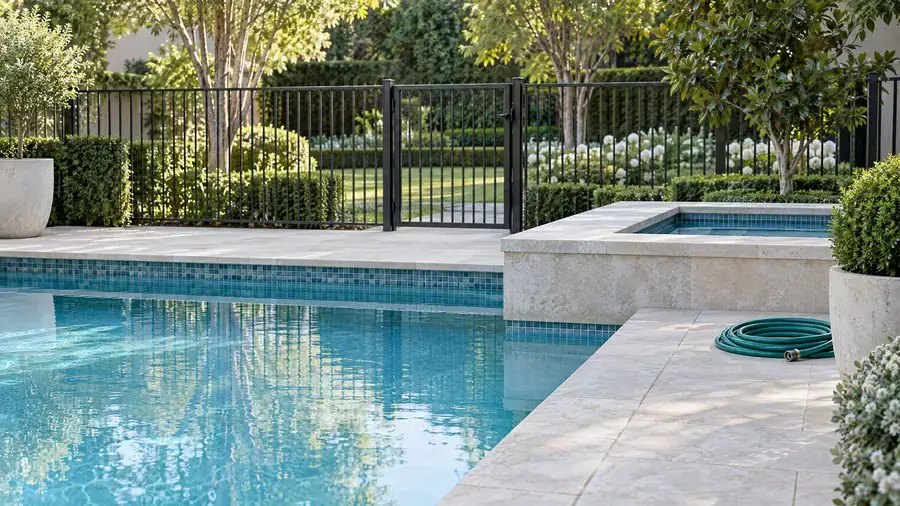
Warm weather makes a Toorak pool the centre of the home. It also exposes small maintenance shortcuts that can quickly become expensive repairs.
Summer pool care is not just about keeping the water looking clear. Your routine protects the interior finish, pump, filter, cleaner, cover, coping and surrounding areas from avoidable wear. With longer days, more swimmers, hot surfaces and sudden storms, a pool can change noticeably between one weekend and the next.
The good news is that most damage begins with a handful of common habits. Correcting them early is much easier than trying to recover a neglected pool in the middle of a heatwave. Here are the mistakes Toorak homeowners should watch for, along with practical ways to organise a steadier summer routine. You can also find local pool-care information on the Same Day Pool Cleaning Toorak homepage.
1. Testing only when the water looks cloudy
Clear water is not proof that every part of your pool chemistry is balanced. Water can look attractive while pH, sanitiser, alkalinity or stabiliser levels are drifting outside the range suited to your pool and equipment. Busy swimming days, evaporation, top-ups, rain and heat all change the water load.
When testing is delayed until a problem is visible, the correction is often more abrupt. That can leave the water uncomfortable, promote scale or corrosion, or make it harder for the filter to remove fine particles. Guessing quantities by sight is also unreliable because every pool has a different volume and different starting chemistry.
Test consistently through summer, and test again after a storm, a large gathering or a significant top-up. Record the result and the action taken so you can see trends rather than reacting to isolated readings. If results are confusing, persistent or far outside the expected range, arrange professional testing. A pool-care technician can help identify whether the issue is chemistry, circulation, contamination or a testing error.
For help correcting an unsettled pool, see the local pool chemistry balancing service before adding more products at random.
2. Adding chemicals without checking the pool volume
More is not automatically better. Adding a product without knowing the pool’s approximate volume can push the water further away from balance. This is especially easy when a label gives a dose per kilolitre and the owner is working from an old estimate.
Pool shape, depth changes and renovations can make volume less obvious than it seems. Keep the manufacturer’s instructions beside your test kit and follow the stated sequence. Measure carefully, allow circulation time, and retest before making another adjustment. Never combine products in a bucket or container, and do not improvise a treatment because a neighbour’s pool needed it.
When the water has a strong odour, unusual colour, visible scale or a reading that does not make sense, pause and get advice. Professional support is sensible if you are unsure which product is already in the water or if the pool has a delicate interior finish.
3. Letting leaves and debris sit on the surface or floor
Summer storms can fill a pool with leaves, blossoms, insects and fine dirt in a single afternoon. Leaving that material in place increases the load on the skimmer and filter. Organic debris also breaks down in warm water, using sanitiser and adding nutrients that can encourage algae.
Skim the surface regularly and empty the basket before it becomes packed. Brush steps, corners, benches and the waterline where circulation is weaker. Vacuum the floor when settled debris is too heavy for the skimmer to catch. A cover can reduce what enters the pool, but it still needs to be cleared and stored as recommended so debris does not wash into the water.
Do not ignore the area around the pool either. Grass clippings, mulch and soil can be carried in by feet or rain. A quick rinse of high-traffic areas and a simple rule about showering before swimming can reduce the amount your filter has to handle.
4. Running the pump on a one-size-fits-all schedule
Circulation is central to a clean pool, but a timer that worked in cooler weather may not suit summer demands. More swimmers, higher temperatures, extra debris and longer daylight can all increase the need for filtration. On the other hand, running equipment continuously without checking flow, settings or energy use can add unnecessary wear.
Use your pool’s size, equipment, shade, bather load and water readings to guide the schedule. Watch the return jets: a noticeable drop in flow can point to a blocked basket, dirty filter, air entering the system or another fault. Keep skimmer and pump baskets clear, and check that valves are in their normal operating positions.
Do not open equipment housings or attempt electrical repairs if you are not trained to do so. Strange noises, repeated priming problems, leaks, hot components or a pump that trips are warning signs. The pool equipment repair team can inspect the system before a small fault causes a larger shutdown.
5. Backwashing or cleaning the filter too often—or not at all
A filter needs attention, but cleaning it on a rigid calendar can be as unhelpful as forgetting it. Backwashing too often may waste water and prevent the filter from operating efficiently. Waiting until pressure is high or the returns are weak can strain the pump and leave the pool looking dull.
Learn the normal pressure reading for your system and follow the filter manufacturer’s guidance. A rising pressure reading, reduced flow or cloudy water can indicate that cleaning is due. After cleaning, confirm that valves are correctly positioned and that waste water is directed appropriately for your property.
Cartridge filters, sand filters and other systems have different requirements. If you have recently moved into a home or are unsure which filter media is installed, have it identified before choosing a cleaning method.
6. Ignoring the waterline and pool surface
Sunscreen, body oils, dust and pollen collect at the waterline. A ring may seem cosmetic, but persistent deposits become harder to remove and can make the surface look permanently dull. Rough patches, staining, flaking or unusual marks may also signal a chemistry or surface issue rather than ordinary dirt.
Use only cleaning tools and products suitable for your pool finish. Brush gently and regularly instead of waiting for a thick deposit. Avoid abrasive household cleaners, unapproved solvents and anything that could scratch tiles or damage a liner. If a mark does not respond to normal cleaning, document it and ask for an inspection rather than escalating to a harsher product.
7. Treating a green pool as a quick chlorine problem
Green water usually means the pool needs a complete recovery plan, not a single dramatic dose. Algae, poor circulation, blocked filtration, debris and imbalanced water can all be involved. Pouring in more chemical without brushing, removing debris and checking equipment may waste product and make the problem harder to diagnose.
First, keep swimmers out while the water condition is uncertain. Remove debris, check baskets and confirm that circulation is working. Then obtain accurate readings and follow a measured treatment plan suited to the pool. Avoid repeated guesswork, especially when the water is heavily discoloured or the floor cannot be seen.
For a pool that has already turned green, the green pool recovery service in Toorak can assess the condition and work through cleaning and treatment steps in the right order. Acting early is less disruptive than waiting until algae has settled across the entire surface.
8. Forgetting the pool after a summer storm
Stormwater can carry dirt and organic material into a pool, while heavy rain dilutes the existing water balance. Wind can fill skimmer baskets, and a power interruption can stop circulation long enough for water quality to deteriorate. A storm check should be part of your summer routine.
Once it is safe, clear visible debris, inspect baskets, check the water level and look for equipment alarms or leaks. Test the water rather than assuming rain has improved it. If the pool is overflowing, avoid a rushed adjustment until you understand how much fresh water has entered and whether the surrounding area has drained properly.
Seasonal tip for Toorak homeowners
Use the start of summer as a reset point. Arrange a thorough clean, confirm the pump and filter are operating correctly, note baseline readings and make a plan for storm checks. For the next seasonal change, the pool cleaning after winter service is useful for bringing an underused pool back into a regular routine.
A practical summer pool checklist
Keep this short list near your test kit or add it to your household calendar:
- Test the water consistently and record the readings.
- Check baskets, water level, return flow and visible leaks.
- Skim debris and brush corners, steps and the waterline.
- Vacuum settled dirt before it feeds a water-quality problem.
- Inspect filter pressure and clean the filter according to its instructions.
- Recheck the pool after storms, parties and extended heat.
- Keep swimmers out when the water is heavily discoloured or chemistry is uncertain.
- Book professional help when readings stay unstable or equipment behaves unusually.
When a maintenance visit makes sense
Regular home care handles many day-to-day tasks, but it should not become a cycle of guessing and correcting. A professional visit is worthwhile when you have inherited an unfamiliar system, the pool has been neglected, algae keeps returning, the water will not clear, or you suspect a pump, filter, cleaner or leak problem.
For an ongoing plan, explore the local pool maintenance service. A consistent schedule helps small changes get noticed before they become a summer emergency. If you need a one-off clean before guests arrive or after a storm, the broader pool cleaning services page outlines the available options.
FAQs
How often should I check my pool in summer?
Check the water regularly and increase the frequency after heavy use, storms, top-ups or visible changes. The right interval depends on your pool, equipment and readings, so consistency is more useful than a universal number.
Why is my pool clear but still leaving scale or stains?
Appearance alone cannot confirm balanced water. Scale, staining or roughness may relate to chemistry, the pool finish, metals, debris or equipment. Test accurately and arrange an inspection before using a stronger cleaner.
Can I swim while I am correcting the water?
Do not swim when the water is green, heavily cloudy, contaminated or otherwise uncertain. Follow product instructions and obtain professional advice when you cannot confidently confirm that the water is suitable.
What is the first thing to do when a pool turns green?
Keep people out, remove obvious debris, check circulation and obtain reliable water readings. Avoid piling on more products without a plan. A green-pool specialist can identify whether algae, filtration or another issue is driving the problem.